
Should You Take Supplements?
A pharmacist’s perspective on what supplements can help, what can harm, and why the conversation is more complicated than it seems

Many diseases are attributed to vitamin and/or mineral deficiencies. For example, scurvy is caused by not enough vitamin C. Pellagra is a dangerous deficiency of vitamin B3, otherwise known as niacin. Sometimes anemia can be caused by low iron.
Causes of these deficiencies can be genetic too, for example not having an enzyme to convert a vitamin into its active form. Lack of a particular protein like intrinsic factor can lead to pernicious anemia (unable to absorb vitamin B12 from food). But many deficiencies also come from nutrient-deficient diets.
If you read that and immediately pulled shame into yourself for not “eating well,” I get it. I don’t eat nearly enough vegetables and fruits. I do not have a varied diet with a colorful plate. I feel like my taste buds were stunted because I eat like a young picky child.
But I’d encourage you to step back and look at this from a public health perspective. Food insecurity, food deserts, socioeconomic factors, climate change, cultural traditions, conflicting guidelines, and access to healthcare all play a role. While most of us could probably make better choices for our meals, nutrition is far more complicated than individual willpower.
I encourage discussing nutrition with a Registered Dietitian Nutritionist (RDN), because food is medicine and a healthy diet is foundational to long-term health. But I’m a pharmacist, so let’s talk about supplements.
Supplement Regulation
Supplements have evolved from products used to treat deficiencies into a massive industry centered around longevity, optimization, and wellness culture. It’s an enticing theory: that a “natural” vitamin or supplement will help keep us healthy, energized, youthful, and functioning at our peak.
We’ve sold supplements in pharmacies for decades. Some are even prescribed and historically inexpensive. But an important question remains: were they ever truly evaluated for safety? How do we know if they work or not?
Most people have seen this disclaimer on supplement labels:
“This statement has not been evaluated by the Food and Drug Administration. This product is not intended to diagnose, treat, cure or prevent any disease”.
And many people wonder why.
The labeling requirements were initially codified in The Federal Food, Drug, and Cosmetic Act of 1938 which established the framework for how drugs and food products are regulated in the United States.
The Dietary Supplement Health and Education Act of 1994 (DSHEA) classified supplements as food — not drugs. Because of this distinction, manufacturers generally do not have to prove safety or efficacy before products go to market.
The FDA does monitor supplements and publishes compliance and enforcement actions involving certain ingredients and products. You can review those notices here:
FDA dietary supplement ingredient and enforcement information
But it’s important to understand that the FDA does not proactively review supplements before they are sold like prescription drugs or even over-the-counter (OTC) medications. Much of the oversight relies on reports from clinicians and the public. If you need to report a problem with a supplement, the FDA provides a reporting portal here:
Report a supplement-related problem to the FDA
The New Supplement Ecosystem
A lot has changed in the supplement industry over the last 30 years since DSHEA was enacted.
Anyone who has visited a pharmacy, grocery store, wellness clinic, or spent five minutes online has seen the explosion of supplement marketing. There are wellness clinics and cash-pay practices run by naturopaths, functional medicine providers, chiropractors, and hormone clinics that “prescribe” supplements. They may be conveniently displayed on shelves in the reception area — often tied to monthly subscriptions, recurring lab panels, memberships, IV infusions, or packaged wellness programs.
The financial incentives are enormous.
The supplement business often relies on pressure, aspiration, and fear of missing out. It’s a strong emotional pull when your friend, sister, coworker, or mom group says they feel amazing and look amazing because of a particular product.
To be fair, people want to feel better. And traditional medicine often falls short. I understand why these products are appealing.
There are many well-sourced reports describing supplement adulteration, contamination, and mislabeling. The FDA notices linked above are worth reviewing. But in clinical practice, the conversations are often more nuanced than simply saying, “There’s no evidence.”
Supplements do have a place. Sometimes they are necessary. Sometimes they are reasonable. And sometimes they create more risk than benefit.
Pharmacists routinely evaluate supplements alongside prescription medications, disease states, laboratory values, kidney and liver function, and potential drug interactions. We have access to natural product and supplement databases and available pharmacokinetic, safety, and efficacy information.
The challenge is that high-quality human data is often limited.
This is where nuance, experience, and individualized care matter.
Three common pharmacy conversations
Case 1: Supplements after a heart attack
A patient recovering from a recent myocardial infarction picks up several new cardiac medications, including a blood thinner, and asks about taking turmeric for joint pain.
This is where supplements become more complicated than “natural equals safe.” Some supplements may increase bleeding risk or interact with prescription medications. In cases like this, the potential risks may outweigh the benefits, and coordination with a cardiologist or primary care clinician is important before starting anything new.
Case 2: Probiotics during antibiotics
A patient taking a broad-spectrum antibiotic asks about using a probiotic because they frequently develop yeast infections or GI upset during treatment.
This is a much different risk-benefit conversation. While the evidence for probiotics varies depending on the product and condition being treated, the overall risk is often relatively low for many patients. Discussions usually focus on timing, expectations, food sources like yogurt, and choosing a reputable product.
Case 3: “Male enhancement” supplements
A patient with angina who takes nitrate medications becomes interested in a “male virility” supplement recommended by friends.
This raises significant safety concerns because some sexual enhancement supplements have been found to contain undeclared phosphodiesterase-5 (PDE-5) drugs like sildenafil or tadalafil that are not listed on the label. When combined with nitrate medications, these hidden ingredients can cause dangerous drops in blood pressure.
These are the kinds of conversations happening in pharmacies every day. Supplements are not automatically harmful, but they are not automatically harmless either. The challenge is balancing limited evidence, variable product quality, patient goals, and real-world safety concerns.
So what supplements do I need?
That determination should be based on your medical history, lab values, diet, symptoms, medications, and disease states — ideally in consultation with a clinician who understands both evidence-based medicine and supplement safety.
The majority of the U.S. general population does not need to take supplements regularly. That said, there are several supplements commonly used for clinically established deficiencies or specific disease states with reasonably good evidence behind them, including:
Vitamin D
Magnesium
B Complex vitamins
Iron
Omega-3 fatty acids
If you do purchase supplements, avoid vague “proprietary blends”, products sold only by specific retailers, and products with long lists of ingredients. If a provider is recommending a list of supplements while also directly selling them, consider that a red flag.
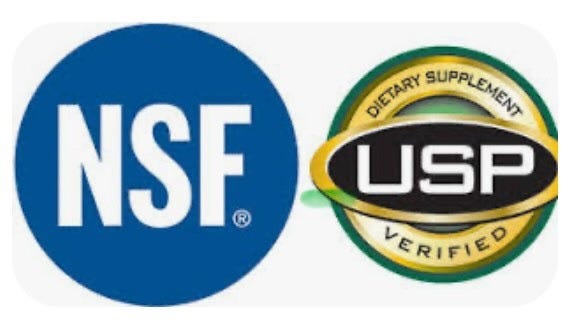
Look for third party testing. Don’t just rely on marketing language on the bottle. Look for verification from reputable organizations such as the United States Pharmacopeia (USP) or the NSF.
Supplements can absolutely have a role in healthcare, but like any therapy, they deserve the same thoughtful conversation about evidence, safety, quality, and individual patient needs — not just marketing claims or wellness trends.
Really helpful, sensible advice.
That was an interesting read. I was recently put on antibiotics after dental surgery. The dentist didn’t prescribe probiotics but the pharmacy recommended it. I paid for it myself as it hadn’t been prescribed, so my private health insurance wouldn’t cover it. I wonder if it is really necessary or the pharmacist was pushing a sale?